Home » Resources » UXO City Guides »
UXO City Guide
Home Office Bombing Statistics for Edinburgh
Record of German Ordnance dropped on the Royal Burgh of Edinburgh
High Explosive Bombs (All types)
45
Parachute Mines
2
Oil Bombs
0
Phosphorus Bombs
0
Fire Pots
0
Pilotless Aircraft (V-1)
0
Long-range Rocket Bombs (V-2)
0
Weapons Total
47
Area Acreage
32,401
Number of items per 1,000 acres
67
Why was Edinburgh targeted and bombed in WWII?
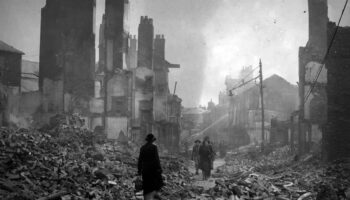
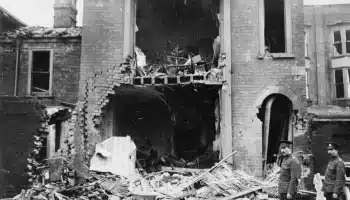
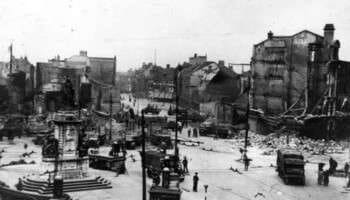
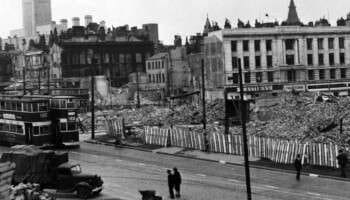
Although Edinburgh escaped the sustained bombing campaigns experienced by many major British cities, it was nevertheless subjected to repeated Luftwaffe attacks between 1940 and 1942. Rather than a single devastating ‘Blitz’, bombing occurred as a series of relatively small raids, many associated with attacks on the Forth Estuary, Leith Docks and nearby Rosyth Naval Dockyard.
The city was targeted primarily because of its strategic maritime location. Leith served as an important commercial port while the Firth of Forth contained major Royal Navy anchorages, extensive dock facilities and vital rail and road communications. German aircraft frequently crossed the Edinburgh area whilst attacking shipping, naval installations and industrial targets around the Forth.
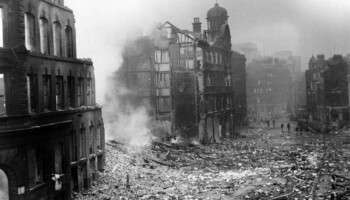
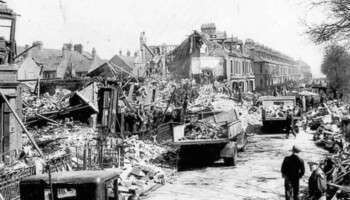
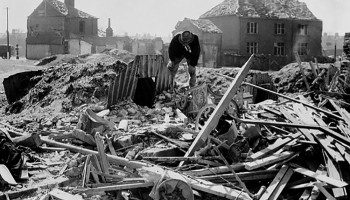
Although overall bomb numbers were comparatively low, high explosive bombs, incendiaries and unexploded bombs were recorded across numerous districts including Leith, Granton, Portobello, Craigmillar, Gorgie and Holyrood. As with many UK cities, wartime records indicate that not every bomb was recovered, meaning unexploded ordnance remains a potential consideration during intrusive groundworks.
Unlike cities such as Birmingham or Coventry, Edinburgh was not bombed because of heavy manufacturing. Luftwaffe operations were largely directed against strategic military objectives including:
- Leith Docks
- Shipping within the Firth of Forth
- Nearby Rosyth Naval Dockyard
- Naval anchorages
- Railway infrastructure serving eastern Scotland
- Military headquarters and barracks
- Anti-aircraft defences protecting the Forth
Many raids over Edinburgh appear to have been secondary attacks or bomb jettisoning by aircraft returning from operations against larger targets including Glasgow, Clydebank and Belfast. Consequently, bombing was dispersed across numerous suburbs rather than concentrated within the city centre.
Luftwaffe target photography of Edinburgh. Image credit: Imperial War Museum
Air Raids on Edinburgh
The first significant attack affecting the Edinburgh area occurred shortly after the outbreak of war when German aircraft attacked Royal Navy vessels in the Firth of Forth during October 1939. Thereafter the city experienced intermittent bombing until mid-1942.
Bombing incidents included:
- June 1940 – Craigmillar area struck by high explosive bombs and incendiaries.
- July 1940 – Leith docks, railway infrastructure and dockside facilities attacked.
- 22 July 1940 – One of the most significant raids, during which a large bomb struck Albert Dock at Leith, killing eight people and damaging dock facilities.
- August 1940 – Portobello bombed, with several unexploded bombs recorded.
- September 1940 – Bombs fell at Holyrood and Gorgie.
- April 1941 – German aircraft returning from the Clydebank Blitz jettisoned bombs over northern Edinburgh, causing casualties around Newhaven and Leith.
- Further isolated attacks continued into 1942.
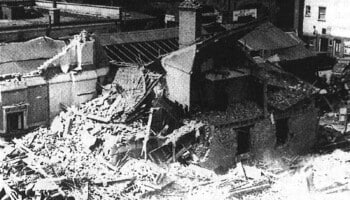
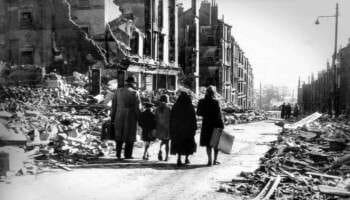
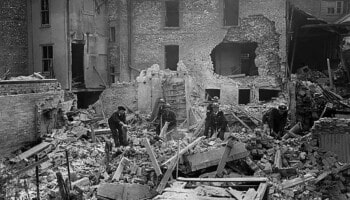
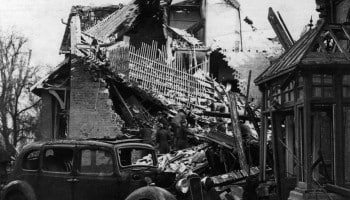
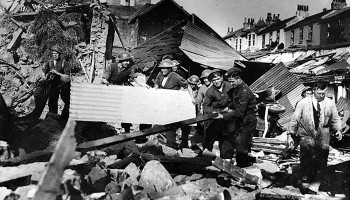
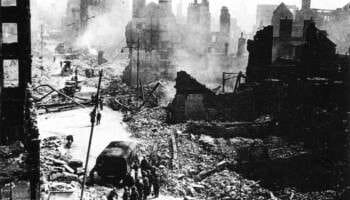
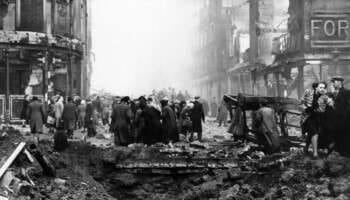
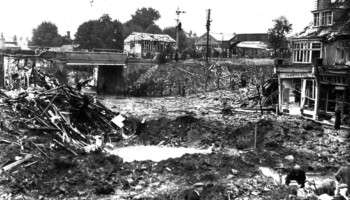
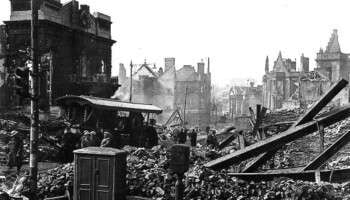
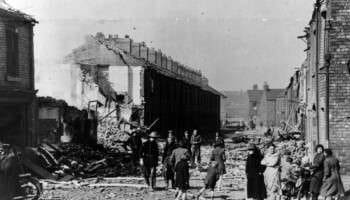
Overall, official records indicate around 47 bombs fell on Edinburgh itself during the war, causing approximately 19 fatalities and more than 200 injuries.
Image showing citizens and workers emerging from shelters in Princess Street Gardens, Edinburgh. (Image source: internal resource)
Image showing a fire being extinguished at Jeffery's Brewery in Edinburgh, October 1941. (Image source: internal resource)
Areas Most Affected
The principal bombed locations included:
Leith
The city’s docks, railway sidings and commercial waterfront represented Edinburgh’s most important bombing target. Albert Dock, Victoria Dock and surrounding railway infrastructure suffered repeated bombing attacks.
Granton and Newhaven
Bombs and incendiaries were dropped across the harbour districts, particularly during aircraft withdrawal from raids further west.
Portobello
Several high explosive bombs landed in residential areas, with wartime records noting unexploded bombs remaining after the raids.
Craigmillar
Bombs and incendiaries were dropped on open ground and surrounding districts during June 1940.
Holyrood
Bombs fell within the grounds of the Palace of Holyroodhouse during September 1940.
Gorgie
Residential districts west of the city centre experienced isolated bombing.
These attacks illustrate the dispersed nature of bombing across Edinburgh, reflecting aircraft approaching or departing military objectives around the Forth rather than systematic destruction of the city centre.
Image showing a fire being extinguished after a German air-delivered bomb hit a bonded store in Dalry Road, Gorgie – Edinburgh, September 1940. (Image source: internal resource)
Image showing a Air Raid Precaution for the City of Edinburgh. (Image source: internal resource)
Edinburgh’s Military History
Whilst German air raids represent the principal source of UXO risk across Edinburgh, the city’s extensive wartime military presence also presents the potential for Allied ordnance.
During WWII, Edinburgh formed a major military headquarters within Scottish Command and supported extensive defensive infrastructure around the Firth of Forth. The area included:
- Heavy Anti-Aircraft gun batteries
- Light Anti-Aircraft positions
- Searchlight sites
- Barrage balloon defences
- Military camps
- Coastal defence positions
- Ammunition storage
- Training facilities
At the height of the invasion threat during 1940, some 33,000 troops were stationed in the Edinburgh area. Anti-aircraft batteries around the city fired thousands of rounds during Luftwaffe attacks, creating the potential for discarded ammunition and associated military debris in the vicinity of former defensive positions. Construction works planned on and around these former military features may be at an elevated risk of encountering buried/discarded munitions – and we highly recommend that a UXO Risk Assessment is obtained prior to starting any intrusive ground investigations.
Image showing the remains of a twin-engined Wellington bomber which landed on a semi-detached bungalow in Craiglockhart View, Edinburgh. (Image source: internal resource)
Can UXO still pose a risk to construction projects in Edinburgh?
Yes – UXO can still present a potential risk to construction and development projects in Edinburgh.
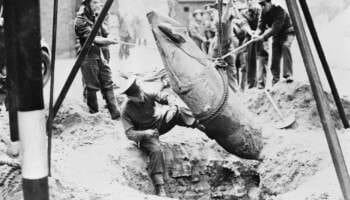
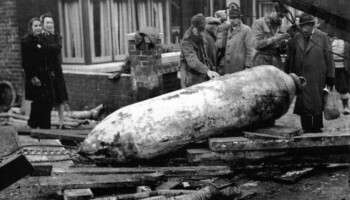
The primary threat comes from German air-delivered bombs dropped during WWII that failed to detonate as intended. It is estimated that around 10% of munitions deployed across the UK did not function correctly. Although significant wartime and post-war bomb disposal operations were carried out, not all unexploded bombs (UXBs) were located or removed.
Ongoing discoveries of UXO during intrusive groundworks across the UK continue to demonstrate that buried wartime ordnance remains a potential risk – including in areas such as Edinburgh.
I am about to start a project in Edinburgh, what should I do?
Before any intrusive groundworks begin, developers, principal contractors, and ground investigation teams should assess potential UXO risk through either:
This forms the first stage of an effective UXO risk mitigation strategy and should be undertaken as early as possible in the project lifecycle, in line with CIRIA C681 guidance.
Why does an early UXO Risk Assessment matter?
Where a credible risk is identified, appropriate mitigation measures should be implemented to reduce risk to As Low As Reasonably Practicable (ALARP).
Equally, unnecessary mitigation can create avoidable project costs, delays and operational disruption.
A professional UXO Risk Assessment will make sure:
- Site-specific threats are properly identified.
- Appropriate mitigation strategies are recommended.
- Unnecessary mitigation measures are avoided.
- Projects remain compliant, safe and commercially efficient.
Early-stage UXO Risk Assessments help developers make informed decisions, protect personnel, maintain compliance and avoid unnecessary expenditure.
If you are planning development or intrusive groundworks in Edinburgh, obtaining a professional and unbiased UXO Risk Assessment should be your first step.
Recent UXO discoveries in Edinburgh
Since the war, many items of UXO have been discovered across multiple cities within the UK, with Edinburgh no exception. See the news articles below about UXO incidents and discoveries from national and local press in Edinburgh.
1st Line Defence keep up-to-date with relevant and noteworthy UXO-related news stories reported across the UK, and you can browse through these articles using the buttons below.
Get UXO risk mitigation services from a partner you can trust
UXO Risk Assessments
Site-specific UXO Risk Assessments using specialist historical research to identify potential threats and determine whether further mitigation is required.
UXO Surveys
Detect and investigate potential buried UXO with specialist Non-intrusive and Intrusive Surveys tailored to your site and proposed groundworks.

UXO Support
On-site UXO support to manage potential ordnance risks during groundworks, protecting personnel and helping your project proceed safely and efficiently.
Free Awareness CPD Seminars
Helping construction professionals understand UXO risk, its potential impact on projects and how it can be effectively managed.
UXO Disposal
Safely manage UXO discoveries with specialist EOD support, from investigation and identification through to clearance and disposal.
International UXO Services
Specialist EOD teams supporting international UXO survey, clearance and disposal projects, with personnel available for rapid deployment worldwide.

Marine UXO Services
Manage UXO risk on marine and offshore projects with specialist survey, investigation, clearance and disposal services tailored to your project.
UXO City Guides
Got a project in Edinburgh? Need advice but not sure where to start?
If you need general advice about UXO risk mitigation in Edinburgh, get in touch.












Contact Us
* indicates required fields